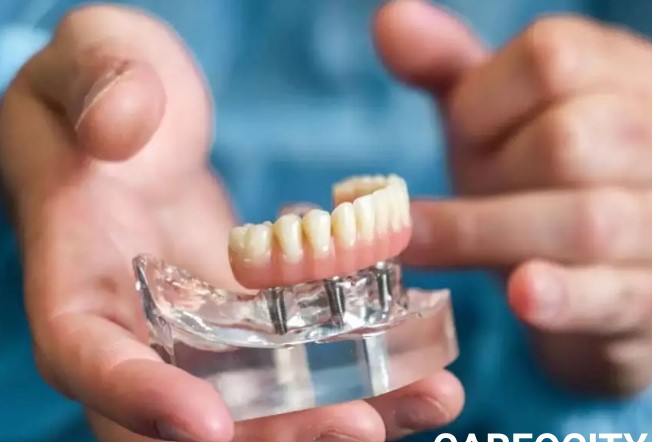
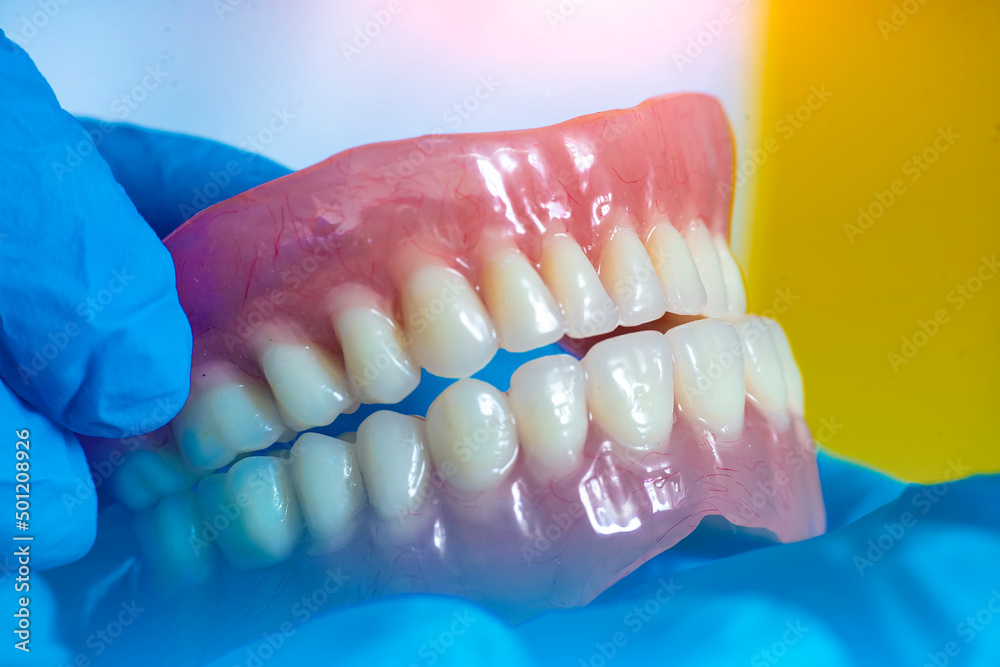
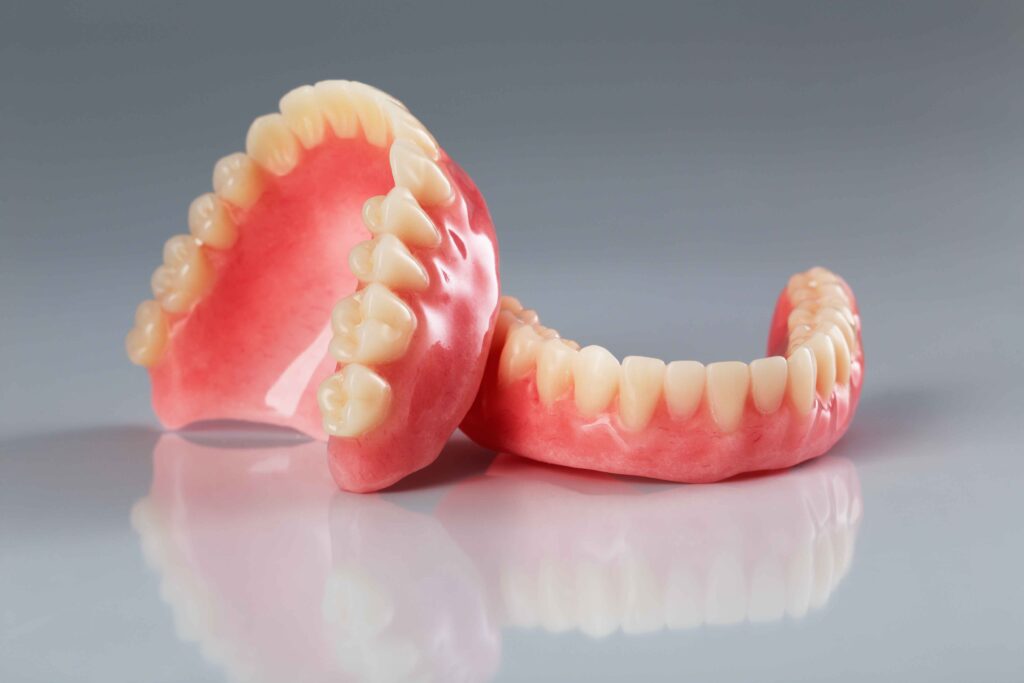
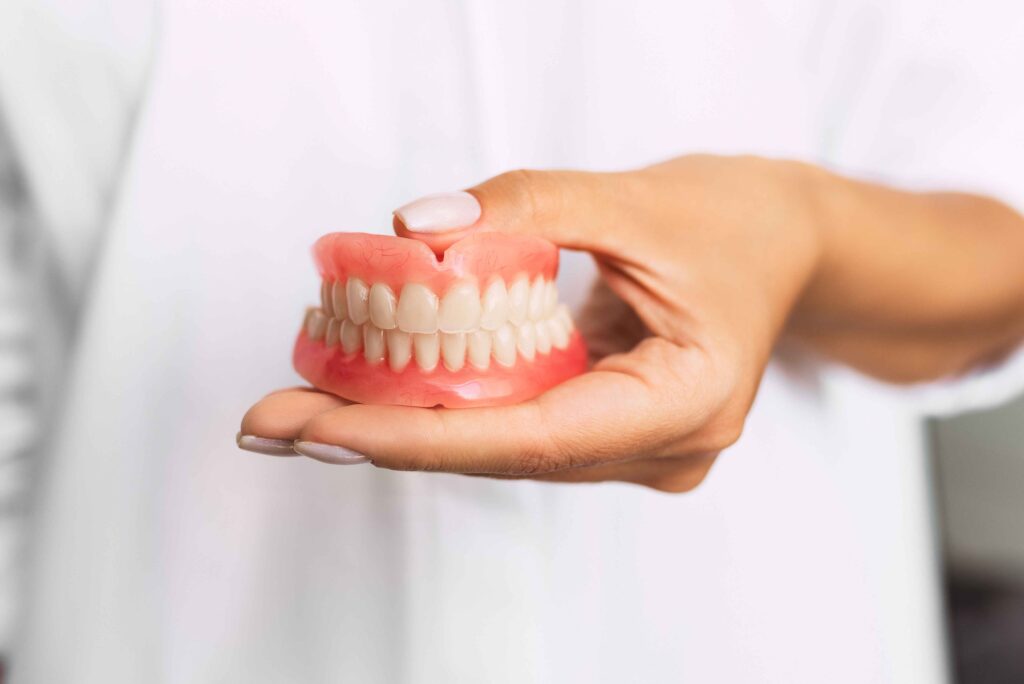
Precise Tooth Caps & Dental Bridges Tooth Caps (Crowns) A tooth cap, also called a dental crown, is a custom-made cover placed over a damaged tooth to restore its shape, strength, and appearance. ✅ When a Crown Is Needed Tooth is badly decayedBroken or cracked toothAfter a root canalTo cover a discolored or misshapen toothTo support a large fillingCosmetic enhancement Types of Crowns TypeDescriptionProsConsMetal (Gold/Alloy)Very strongLong-lasting, great for molarsNot tooth-coloredPorcelain-Fused-to-Metal (PFM)Porcelain outside, metal insideStrong + natural lookCan show a dark line at gumsAll-Ceramic / All-PorcelainTooth-coloredBest cosmetic resultLess strong than metalZirconiaModern ceramicVery strong, tooth-coloredCan be pricierTemporary CrownsUsed during treatmentShort-term tooth protectionNot strong Procedure for a Crown Examination and X-rayTooth shapingImpression or digital scanTemporary crownPermanent crown placement Dental Bridges A dental bridge is used to replace one or more missing teeth by anchoring artificial teeth to the adjacent natural teeth or implants. When a Bridge Is Needed One or more missing teethTo restore chewing and speakingTo prevent teeth from shiftingCosmetic improvement Types of Bridges TypeDescriptionBest ForNotesTraditional BridgeCrown on each side + fake tooth in the middleMissing 1–2 teethMost commonCantilever BridgeSupported on only one sideLimited casesNot for molarsMaryland BridgeMetal/ceramic wings bonded behind teethFront tooth replacementMinimal drillingImplant-Supported BridgeSupported by implants instead of teethSeveral missing teethMost durable, costliest Procedure for a Bridge Prepare adjacent teethTake impressions / scansTemporary bridgePermanent bridge placement